








Creativity in the Age of Algorithms: What Still Matters

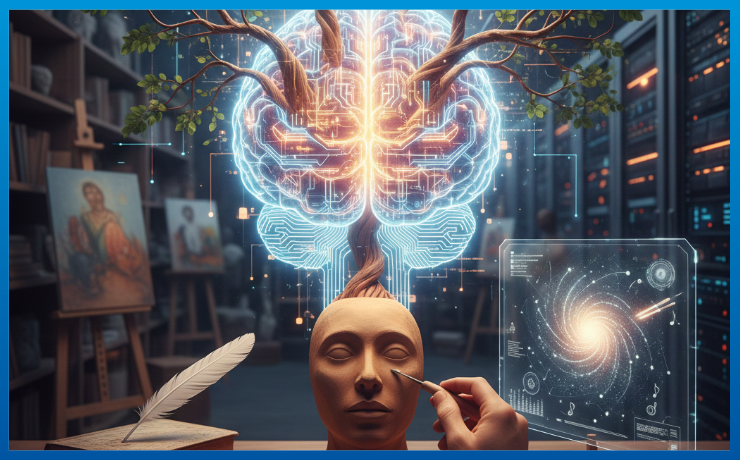
There’s a quiet irony in the way we talk about creativity today. We’ve never had more tools, more data, more dashboards telling us what works — and yet, truly memorable ideas feel harder to come by. Scroll through any platform and you’ll see technically sound content everywhere: polished visuals, sharp copy, perfect timings. But very little of it stays with you. As someone working in social media day in and day out, this is something I think about often. Algorithms have made creativity faster and more efficient, yes. But speed and efficiency were never what made ideas meaningful. Creativity was always about connection, and connection doesn’t come from optimisation alone.
Algorithms are brilliant at replication. They identify patterns, scale formats, and tell us what audiences are likely to respond to. What they can’t tell us is why something once felt honest, or why a message landed emotionally at a specific moment in time. They don’t understand anxiety during uncertain economic cycles, the pride of local identity, the humour rooted in shared cultural frustration, or the weight of silence when a brand chooses not to speak. Those instincts come from being human — from living in the same world as your audience. This is why even today, some of the most impactful ideas don’t look “algorithm-friendly” on paper. They break rhythm, take time, or even confuse metrics initially. And yet, they endure. As lyricist and creative leader Prasoon Joshi once put it, “Technology can assist creativity, but originality comes from the human soul and lived experience.” (LinkedIn: https://www.linkedin.com/in/prasoonjoshi/) That distinction matters more now than it ever has.
In social media specifically, we often confuse reach with resonance. Algorithms can help you reach millions, but they can’t help you mean something to them. Anyone who has worked closely with online communities knows this. Context shifts fast. What feels relevant today can feel tone-deaf tomorrow. A trend that works globally can collapse locally. These judgments are rarely binary, and they’re never purely data-led. They come from instinct, cultural awareness, and sometimes uncomfortable conversations within teams. I’ve seen posts with perfect performance projections get pulled at the last minute because something felt off — and I’ve seen instinctive calls outperform everything the data predicted. That instinct isn’t magic; it’s experience. It’s listening more than posting. It’s paying attention to how people talk when they’re not trying to impress anyone.
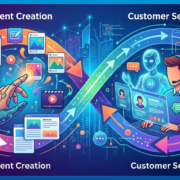
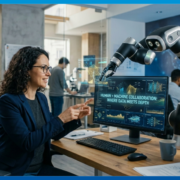
There’s also a growing misconception that AI and automation are here to replace creative roles. From where I sit, that’s not really what’s happening. What is happening is a quiet reshaping of what creative work actually involves. Machines are taking over the predictable parts — resizing, formatting, first drafts, A/B testing. What’s left for humans is the harder work: deciding what story to tell, what risk is worth taking, when to lean into culture and when to step back. These decisions don’t come with clear metrics. They come with accountability. And that’s where human judgment becomes more, not less, important. As Nandan Nilekani has noted in conversations around technology and society, “Human capabilities like empathy, leadership and creativity will remain irreplaceable even as technology advances.” In communication, that irreplaceability shows up in the smallest choices — tone, timing, silence.
One aspect of creativity that algorithms will never replicate is failure. Real creative growth comes from ideas that don’t land, campaigns that teach you what not to do, content that sparks debate instead of applause. Algorithms are designed to avoid these moments. They reward predictability and penalise deviation. But culture doesn’t move forward through predictability. It moves through friction. Some of the ideas that later defined brands or shifted conversations initially looked risky, inefficient, or even “wrong” by performance standards. They succeeded because someone believed in them before the data did. That belief — the willingness to back an idea without guarantees — is deeply human.

As platforms continue to evolve, the pressure to play by algorithmic rules will only grow. But the brands and creators who stand out over time won’t be the ones who chase every trend or optimise every frame. They’ll be the ones who understand that algorithms don’t build loyalty — people do. Audiences return to content that reflects something real back at them. Something familiar. Something brave. Creativity that is rooted in truth doesn’t burn out quickly; it compounds. It builds memory, not just momentum.
In the age of algorithms, creativity hasn’t become irrelevant — it has become exposed. When everything can be generated, intention matters more. When content is everywhere, point of view becomes the differentiator. And when machines can imitate form, meaning becomes the only thing they can’t fake. For those of us working in social media and communication, the challenge isn’t to outsmart algorithms. It’s to use them without surrendering the human instincts that made creativity powerful to begin with. Because technology will keep evolving. Human connection, however, remains stubbornly irreplaceable.