


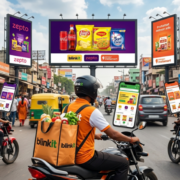








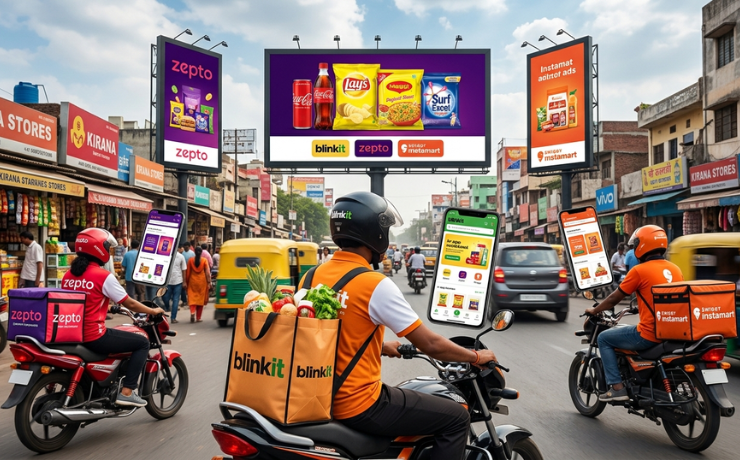
There was a time when advertising platforms were easy to identify. Television sold audiences. Newspapers sold readership. Social media sold engagement. Ecommerce platforms sold intent. But India’s quick-commerce boom has quietly redrawn those boundaries. Today, some of the country’s fastest-growing advertising ecosystems are not social apps or streaming platforms. They are grocery delivery interfaces. Blinkit, Zepto, and Swiggy Instamart are no longer just logistics companies racing to deliver chips and shampoo in ten minutes. They are becoming media companies with transaction data, behavioural intelligence, and high-intent consumer attention at a scale traditional publishers increasingly envy. In boardrooms across India’s consumer economy, retail media networks have shifted from being an experimental line item to a serious strategic conversation. And unlike many digital advertising trends that arrive wrapped in jargon before proving their value, this one is rooted in something profoundly simple: proximity to purchase. “The shelf has moved from the supermarket aisle to the smartphone screen,” as one retail executive recently observed. That shift is transforming not only how products are sold, but also how brands buy visibility, relevance, and influence in the final seconds before a consumer makes a decision.
The rise of retail media networks in India mirrors a global shift already visible through Amazon’s advertising business, Walmart Connect, and Instacart Ads. But the Indian market adds its own intensity to the story because quick-commerce platforms here have become behavioural infrastructure at extraordinary speed. Urban consumers are no longer opening Blinkit or Zepto only during emergencies. These apps are now embedded in everyday routines — late-night cravings, forgotten essentials, impulse indulgences, office snacks, beauty purchases, festival prep, and increasingly, planned grocery behaviour. That frequency changes the advertising equation dramatically. Unlike social platforms, where users are often passive scrollers, quick-commerce consumers arrive with active purchase intent. The mindset is transactional from the moment the app opens. For brands, this creates a rare advertising environment where discovery and conversion happen almost simultaneously. Sponsored listings, search placements, homepage banners, in-app recommendations, and category dominance are becoming the new digital shelf wars. FMCG giants, D2C brands, beverage companies, personal care players, and even electronics brands are aggressively competing for visibility inside these ecosystems because they understand a critical truth: in quick commerce, visibility is not just branding. Visibility directly shapes sales velocity. A top search placement for “chips” or “cold drink” during peak evening hours can influence purchasing outcomes more immediately than an expensive awareness campaign running elsewhere. This is why retail media budgets are expanding rapidly despite broader scrutiny around advertising efficiency. Marketers are increasingly willing to pay premium rates when attribution is immediate and measurable.
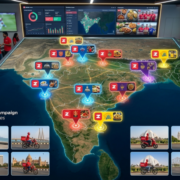
What makes platforms like Blinkit, Zepto, and Swiggy particularly powerful as ad ecosystems is not merely their scale, but the richness of their first-party data. At a time when privacy regulations and cookie deprecation are disrupting digital advertising globally, retail media networks possess something increasingly valuable: deterministic consumer behaviour linked directly to transactions. They know what consumers buy, when they buy, how often they reorder, what price sensitivities influence them, and which products tend to appear together in baskets. This level of commerce intelligence allows for targeting that feels materially closer to actual business outcomes than broad demographic segmentation. A snack brand can target late-night users. A baby-care brand can identify repeat household purchasing behaviour. A premium chocolate brand can position itself alongside celebration-driven searches during festivals or cricket finals. The sophistication of these ecosystems is evolving quickly, and so is marketer appetite. Yet the rapid rise of retail media also introduces tensions the industry is only beginning to confront. As advertising inventory expands inside these apps, questions around consumer experience become unavoidable. How many sponsored placements can a platform insert before discovery begins to feel manipulated? At what point does performance optimisation weaken trust in recommendations? There is also the looming challenge of platform dependency. Brands that become too reliant on paid visibility inside quick-commerce ecosystems risk losing negotiating leverage over time, particularly as bidding wars intensify across categories. In some ways, the industry may be recreating the same visibility tax that emerged on large ecommerce marketplaces over the last decade. The difference is that quick commerce compresses decision-making into minutes rather than hours, making the competitive pressure even more immediate.
Still, it is difficult to overstate the strategic importance of retail media networks in the future of Indian advertising. They represent the convergence of commerce, media, logistics, and data into a single ecosystem where consumer intent is both observable and actionable in real time. More importantly, they signal a larger philosophical shift within advertising itself. For years, marketers separated brand-building from commerce as though they belonged to different worlds. Retail media is collapsing that distinction. The advertisement is no longer merely influencing the sale; it is increasingly sitting inside the point of sale itself. This changes how effectiveness is measured, how campaigns are planned, and how creative assets are designed. It also explains why agencies are restructuring teams around commerce media expertise and why consumer brands are reallocating budgets once reserved for traditional digital channels. The future may not belong exclusively to social platforms, streaming apps, or search engines. Increasingly, it may belong to ecosystems where advertising is woven invisibly into consumer utility. That is the real disruption quick-commerce platforms represent. They are not interrupting entertainment; they are monetising habit. And habit, once formed, is one of the most defensible business models in media. The next decade of advertising in India may therefore be defined not by who owns the loudest platform, but by who owns the closest moment to consumer action.
Disclaimer: Information mentioned here has not been verified or endorsed by Agency Reporter and is in accordance with the press release shared by the company or their appointed representatives
