



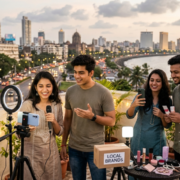


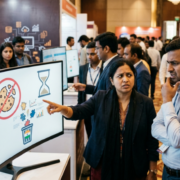




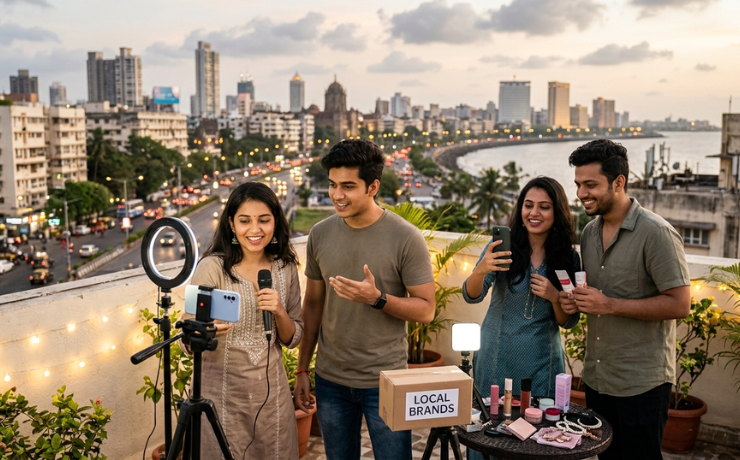
There was a time when influencer marketing in India followed a fairly predictable script. Brands chased celebrity creators, agencies negotiated massive collaboration deals, and campaigns were judged largely by how many millions of people saw a post. Visibility was everything. But over the last two years, something far more interesting has started happening beneath the surface of the creator economy. The loudest voices online are no longer automatically the most influential ones. Instead, brands are increasingly turning toward creators with smaller but deeply loyal audiences — people whose followers actually listen, respond, and trust what they say. It is a shift that says a lot about how consumer behaviour is evolving in India’s digital landscape. Audiences today are sharper, more sceptical, and far more aware of marketing tactics than they were even five years ago. They can instantly sense when content feels overly curated or commercially forced. As a result, relatability has started outperforming aspiration. A skincare creator filming honest product reviews from her apartment in Jaipur or a food vlogger documenting affordable cafés in Lucknow often feels far more credible than a celebrity creator promoting five different brands in the same week. Somewhere along the way, consumers stopped wanting polished endorsements and started looking for people who felt real. “Influence today is less about fame and more about familiarity,” as one agency founder recently put it during an industry panel. That one line perhaps explains the entire micro and nano influencer boom better than any market report can.
What makes this trend particularly powerful in India is the diversity of audiences coming online. The internet’s next wave is not limited to metro cities anymore. Growth is coming from smaller towns, regional language audiences, and niche online communities that traditional advertising often struggles to reach authentically. This is exactly where micro and nano creators thrive. They understand the context of their audiences because they belong to those communities themselves. Their content reflects local humour, regional culture, spending realities, and everyday experiences in ways that polished mainstream influencer campaigns often cannot replicate. For marketers, this creates a very different kind of opportunity. Instead of investing an entire budget into one high-profile collaboration and hoping for engagement, brands are now spreading spends across dozens of smaller creators who collectively build stronger trust and better conversations around products. The engagement levels speak for themselves. Smaller creators often have comment sections that resemble genuine discussions rather than fan pages flooded with emojis. Followers ask questions, creators respond personally, and recommendations feel more like advice from a friend than a sales pitch. Categories like beauty, fitness, parenting, fashion, food delivery, and personal finance are especially benefiting from this shift because purchase decisions in these spaces are heavily influenced by peer validation. In many ways, the creator economy is beginning to mirror old-school word-of-mouth marketing — just adapted for reels, short videos, and digital communities.
The rise of smaller influencers is also quietly changing how agencies and marketing teams approach campaign planning. Influencer marketing is no longer treated like an experimental social media add-on. It now sits much closer to performance and brand strategy discussions. Marketers are paying attention to metrics that actually indicate audience trust — saves, shares, comments, repeat engagement, affiliate sales, and even how long audiences stay connected to a creator over time. Follower count alone simply does not hold the same weight anymore. Many D2C brands and startups have already realised that ten niche creators driving meaningful engagement can deliver better business outcomes than one celebrity creator generating passive reach. This has led to a more organised ecosystem around smaller creators as well. Regional talent agencies, influencer discovery platforms, analytics companies, and creator management firms are all growing rapidly as demand increases. At the same time, the industry is also beginning to face a familiar challenge: authenticity becoming over-commercialised. The more brands invest in smaller creators, the greater the risk that their content starts feeling repetitive or transactional. Audiences are quick to notice when every second post becomes a paid partnership. The creators who continue to stand out are usually the ones who protect their tone, maintain honesty, and choose collaborations carefully instead of treating their feed like advertising inventory. Consumers may tolerate advertising, but they rarely tolerate forced authenticity. That is the delicate balance the industry is now trying to maintain.
What makes the micro and nano influencer wave so important is that it reflects a much larger shift in modern media itself. Influence is no longer concentrated in the hands of a few celebrities or internet stars. It is becoming fragmented, community-led, and deeply personal. Algorithms have accelerated this change by rewarding relevance and engagement over popularity alone. A creator with 12,000 highly engaged followers discussing sustainable fashion in Malayalam can sometimes create more impact for a niche brand than a celebrity with millions of disengaged viewers. That reality would have sounded unrealistic a decade ago, but today it is becoming normal. Brands are slowly realising that digital influence behaves differently from traditional fame. People trust creators who feel accessible, consistent, and emotionally familiar. The most successful campaigns now are often the ones that do not feel like campaigns at all. They feel like conversations, recommendations, or everyday discoveries shared naturally within online communities. And perhaps that is where the future of advertising is heading. Not louder messaging, bigger celebrity tie-ups, or more polished storytelling — but communication that feels closer, more human, and more believable. In a crowded digital world where everyone is fighting for attention, trust has become the rarest commodity of all. And increasingly, Indian brands are discovering that trust often comes from the smallest voices in the room.
