




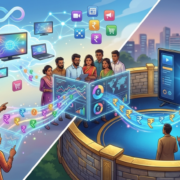
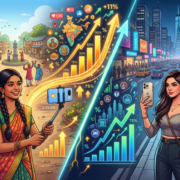

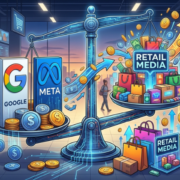


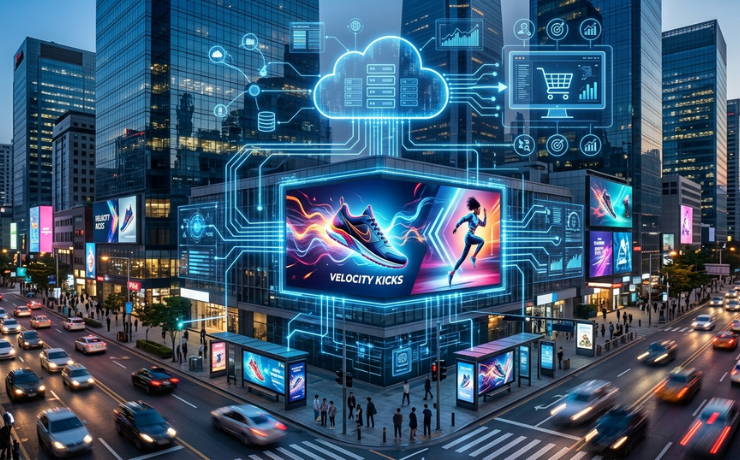
For the longest time, outdoor advertising followed a rhythm most marketers were used to. You identified a few high-traffic locations, locked them in for a fixed duration, and moved on to the next part of the plan. There wasn’t much room to tweak, optimise, or respond once the campaign went live. It did its job—build visibility, create recall—but it rarely felt as responsive as the rest of the media mix. Now, that gap is starting to close. Programmatic DOOH is gradually changing how billboards are bought and used, making them feel less like static placements and more like active media channels.
What’s interesting is how familiar the shift feels. Anyone who has worked with digital media over the years will recognise the pattern. Instead of booking a location for weeks, brands can now choose when and how often their ads appear, based on real-world signals. A brand doesn’t just “take” a billboard anymore—it can show up during specific hours, respond to weather changes, or align with moments that actually matter to its audience. For example, a coffee chain can push messaging during early commute hours and go quiet later in the day. A fashion brand can increase visibility during weekend footfall spikes. It’s not just smarter buying—it’s more practical, and honestly, more in sync with how people move through their day.
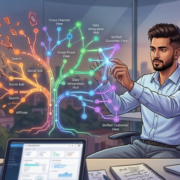
This is also pushing teams to think a little differently. Media planners are no longer relying only on the assumption that “this road is busy, so it works.” There’s more data in the mix now—movement patterns, peak hours, contextual triggers—which helps in making more informed decisions. At the same time, creative teams are having to move away from the idea of one single visual doing all the work. When screens can change messages throughout the day, the question becomes: what should people see in the morning versus the evening? How does messaging adapt without losing consistency? It’s a more layered way of thinking, but it also opens up space to be more relevant. And relevance, more than anything else, is what cuts through today.
Of course, it’s not all smooth yet. There are still gaps—different platforms operate differently, measurement isn’t always standardised, and proving direct impact can be tricky. Unlike digital ads, you can’t always point to a click and say, “this worked.” Outdoor still needs a mix of data points to understand effectiveness. But that’s part of the transition. Digital went through a similar phase before things became more structured. The difference now is that the industry is moving faster, learning quicker, and adapting in real time.
What’s becoming clear, though, is that outdoor is no longer sitting on the sidelines. It’s starting to behave like the rest of the digital ecosystem—connected, flexible, and more accountable than before. You might see a billboard on your way to work and then come across a related ad on your phone later in the day. That kind of continuity wasn’t easy to achieve earlier, but it’s slowly becoming more common.
At a broader level, this shift says a lot about where expectations are headed. Brands don’t just want reach anymore—they want timing, context, and some level of control even in traditionally fixed formats. Outdoor is being pushed to deliver on those expectations, and programmatic is helping it get there.
In the end, billboards haven’t lost their relevance—they’ve just been given a new way to work. They’re still big, still visible, still hard to ignore. The difference is, they’re no longer just “there.” They can now show up with a bit more intent. And in a landscape where attention is getting harder to earn, that small shift can make a noticeable difference.
