





The digital advertising landscape in India is evolving rapidly, and media planners face new challenges in allocating budgets effectively. Two concepts have become critical for 2026: Demand-Side Platforms (DSPs) and retail media networks. Understanding both is no longer optional—it’s essential for marketers aiming to balance reach, performance, and ROI.
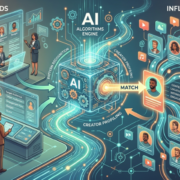
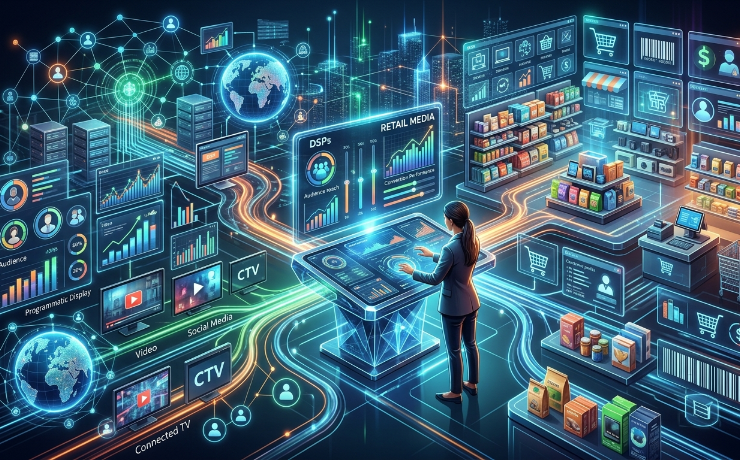
A Demand-Side Platform (DSP) is a technology platform that allows advertisers to buy digital ad inventory programmatically across multiple channels in real time. Unlike traditional ad buying, where deals are negotiated directly with individual publishers, DSPs automate the process, enabling brands to target audiences with precision. They use a mix of first-party and third-party data to identify the right consumer at the right moment, while real-time bidding ensures cost efficiency. Beyond targeting, DSPs give media planners centralized control over campaigns spanning display, video, mobile, and programmatic digital out-of-home (DOOH), making them indispensable in modern media planning.
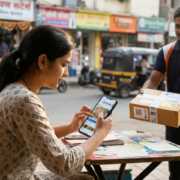
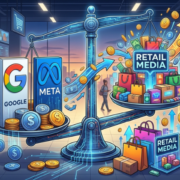
On the other hand, retail media networks—platforms run by e-commerce or retail companies—have emerged as a powerful alternative to traditional digital channels like Google and Meta. Platforms such as Amazon, Flipkart, Zepto, and Blinkit allow brands to place ads directly on their apps or websites, often at the point of purchase. Retail media campaigns benefit from high-intent targeting, using first-party shopper data to drive measurable sales outcomes. Unlike traditional digital ads, which focus on clicks, views, or impressions, retail media delivers campaigns that can be directly tied to consumer transactions, giving marketers clear insight into ROI.
When it comes to budget allocation in 2026, brands need a balanced approach. Retail media should take priority for performance-driven campaigns, especially for FMCG, grocery, and consumer electronics categories where purchase decisions happen quickly. Traditional digital platforms still play a vital role for upper-funnel awareness, storytelling, and broad audience reach. DSPs, meanwhile, provide the automation and cross-channel integration that allow marketers to optimize campaigns in real time and stretch budgets more efficiently.
The key for brands is to combine the intent-driven power of retail media with the scalability and automation of DSPs. Ignoring retail media risks missing conversions at the point of purchase, while ignoring DSPs means losing efficiency, control, and the ability to integrate campaigns across multiple channels. Brands that master both will achieve better reach, higher ROI, and measurable growth in a rapidly evolving digital ecosystem.
In conclusion, understanding DSPs and retail media is no longer a nice-to-have skill for media planners—it’s essential. The future of digital advertising in India lies in precision targeting, performance measurement, and a smart combination of tools that connect consumers to brands effectively. Those who adapt early will stay ahead, while those who don’t may struggle to compete in an increasingly data-driven market.
